Corpus-Informed Studies: Methodologies and Applications (CISMA)
- …
Corpus-Informed Studies: Methodologies and Applications (CISMA)
- …
CISMA
The inaugural Corpus-Informed Studies: Methodologies and Applications (CISMA) conference marks an exciting milestone in the interdisciplinary exploration of corpus-based methodologies and their diverse applications. Organized and hosted by the Institute of Language Sciences at Shanghai International Studies University, China, this event brings together scholars, researchers, and practitioners from around the globe.
Conference Commitee
Our Team

Founder & Chair
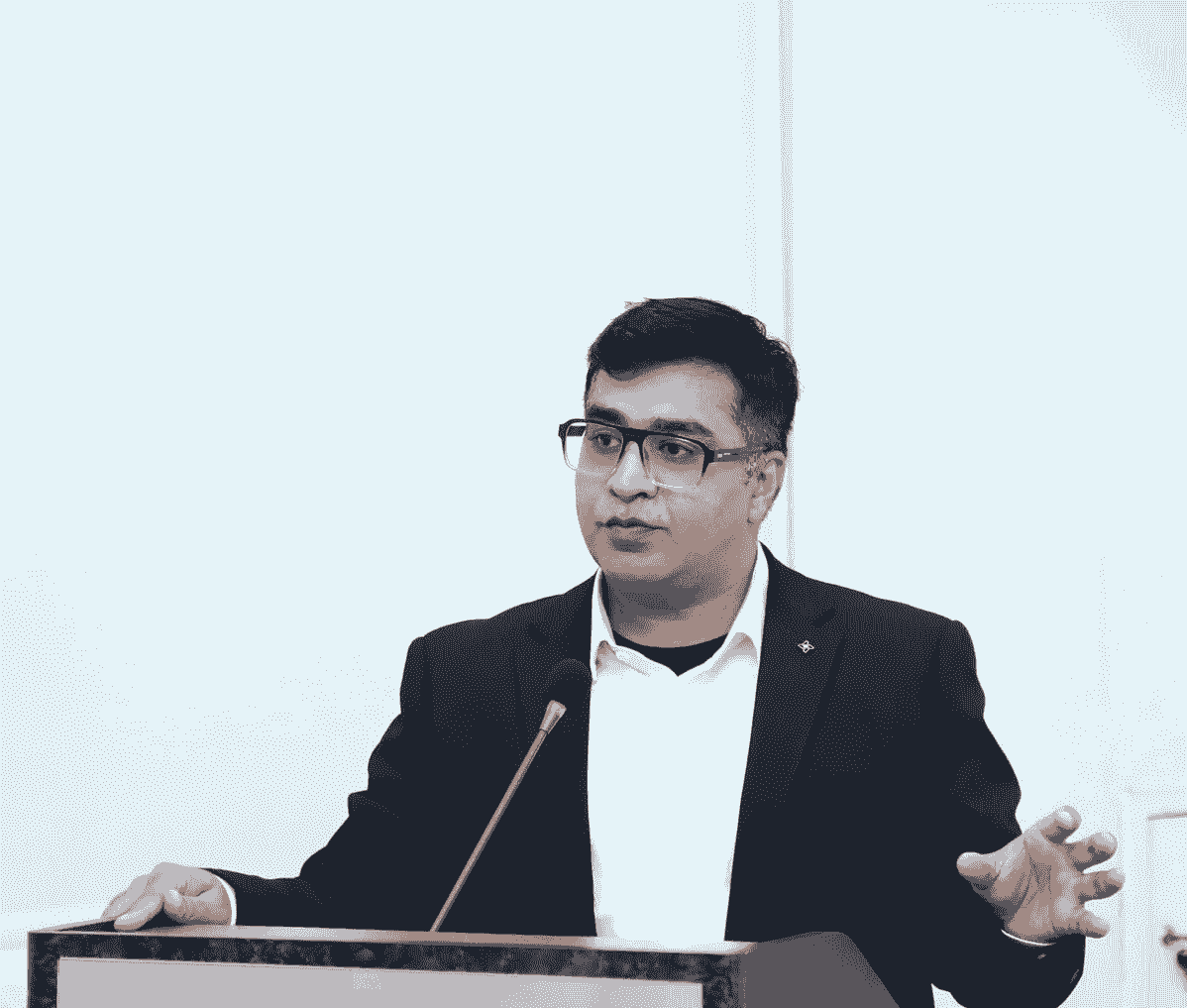
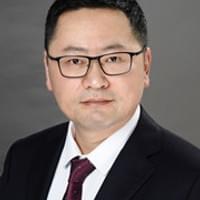
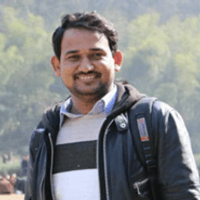
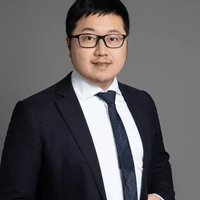
Muhammad Afzaal
Dr. Muhammad Afzaal is an Associate Professor at the Institute of Language Sciences, Shanghai International Studies University (SISU). He earned his PhD from Shanghai Jiao Tong University and has held research fellowships at The Hong Kong Polytechnic University. With over seven years of teaching experience at Foundation University Islamabad (Pakistan), he brings strong international expertise in language sciences. His research focuses on corpus linguistics, discourse analysis (including critical discourse analysis), and translation studies, with particular interest in integrating corpus-based approaches with NLP and big data. He is the author of Corpora and Discourses of the Belt and Road Initiative (Springer, 2023) and a recipient of the Yang Yong Research Award from Shanghai Jiao Tong University’s Graduate School. His work has been published widely in SSCI/Scopus/ESCI-indexed journals.
Chair
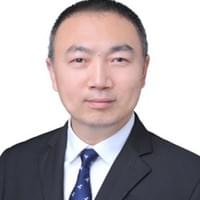
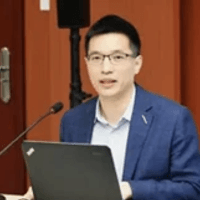
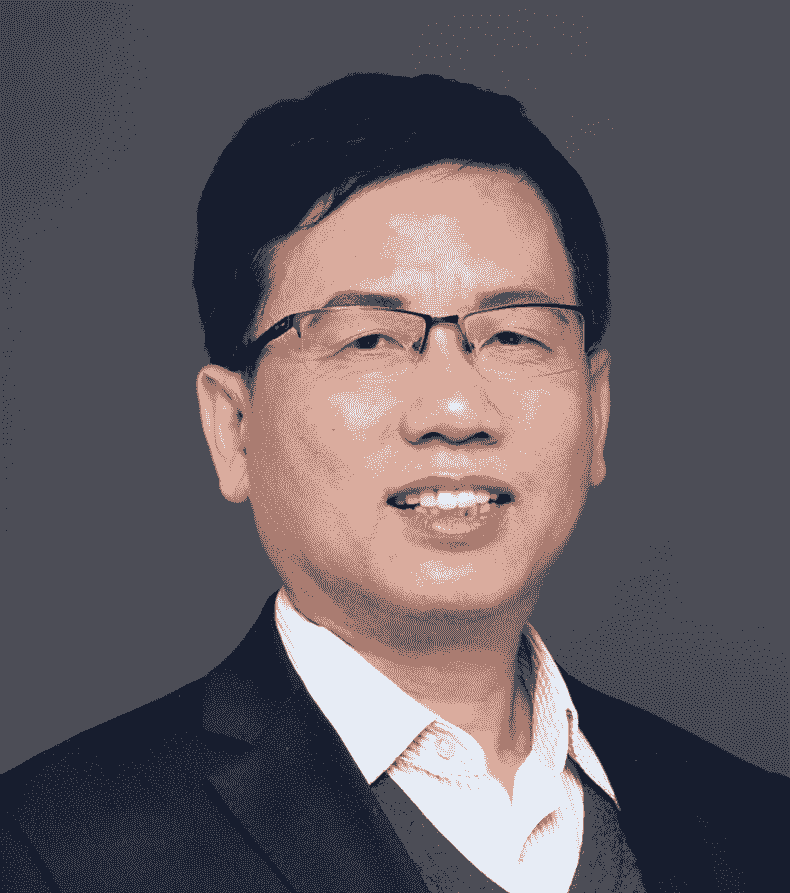
Kaibao Hu
I have had more than 20 years of research experience in corpus-based translation studies, published 100 papers in journals indexed in CSSCI, SSCI, A & HCI, and 9 academic monographs in publishers such as Springer and China’s Higher Education Press. I am also investigators of over 13 projects on national level. In 2017 and 2020, I was admitted into the list of the most influential scholars in the research of philosophy and Social Sciences in China and the distinguished professor of the national major talent plan.
Scientific Committee
Distinguished scholars on CISMA panel (name in alphabetically order)
Message from Co-Chair
Dear Colleagues, Scholars, and Research Partners,
It is my great honor to welcome you to the CISMA Conference Platform- an academic space founded with a clear purpose: to bring together the brightest minds working at the intersection of corpus linguistics, natural language processing, discourse studies, translation, and interpreting.
In an age where digital technologies, big data, and AI increasingly shape how societies communicate, understand one another, and negotiate meaning, our responsibility as researchers has never been more critical. The CISMA platform was established to respond to this moment. It is built on the conviction that rigorous empirical inquiry, methodological innovation, and interdisciplinary dialogue are essential to understanding the complex linguistic and communicative landscapes of our time.
CISMA is more than a conference, it is a collaborative global network. It brings together early career researchers, senior academics, technologists, and professional practitioners who share a commitment to exploring how digital tools and corpus driven methods can deepen our understanding of language, power, culture, and society. Our mission is to cultivate research that is theoretically robust, methodologically transparent, and socially meaningful.
I encourage you to join us in advancing this intellectual journey. Whether your work focuses on discourse and society, computational linguistics, translation technologies, sentiment analysis, digital humanities, or interdisciplinary approaches to language, CISMA offers a platform where your ideas can grow, be challenged, and make an impact.
Together, we can build a scholarly community that not only responds to today’s challenges but also shapes the future of language sciences- a future defined by innovation, collaboration, and shared academic curiosity.
I look forward to welcoming you, learning from your insights, and working with you to strengthen our collective contribution to global scholarship.
Warm regards,
Muhammad Afzaal
Founder & Co Chair, CISMA Conference Platform
Associate Professor, Institute of Language Sciences
Shanghai International Studies University, China
" CISMA was not born in a meeting room or through a formal proposal. It began as an idea, quiet, persistent, and shaped by years of encountering a simple but powerful truth: language research was changing, and the academic world needed a space that could change with it. "
-- Muhammad Afzaal
Founder's story
Past Events
CISMA is designed not only to showcase cutting-edge research but also to support early-career scholars and promote global academic exchange.
CISMA 2024, Shanghai
Corpora in Humanities: Exploring Language, Literature, and Technology
Shanghai International Studies University
CISMA Lecture Series
Connect with the world's brilliant minds on a regular basis
CISMA:Frontiers in Corpus Linguistics and Translation Studies
CISMA會議旨在促進全球學者之間的交流,探索語料庫研究在不同領域的應用與挑戰。
Read more...CISMA was founded with the vision of creating an international space where language scholars can...Read more...CISMA is dedicated to advancing corpus-informed research by building an international platform...Read more...CISMA addresses the growing impact of big data, NLP, and AI-driventools on language and...Read more...By Muhammad Afzaal, Founder & Co Chair CISMA was not born in a meeting room or through a formal...2nd CISMA 2026: International Conference on Technology and Corpora in Discourse, Translation and Interpreting, Baku,
AzerbaijanUnveiling the Power of Technology and Corpora in Discourse, Translation and Interpreting
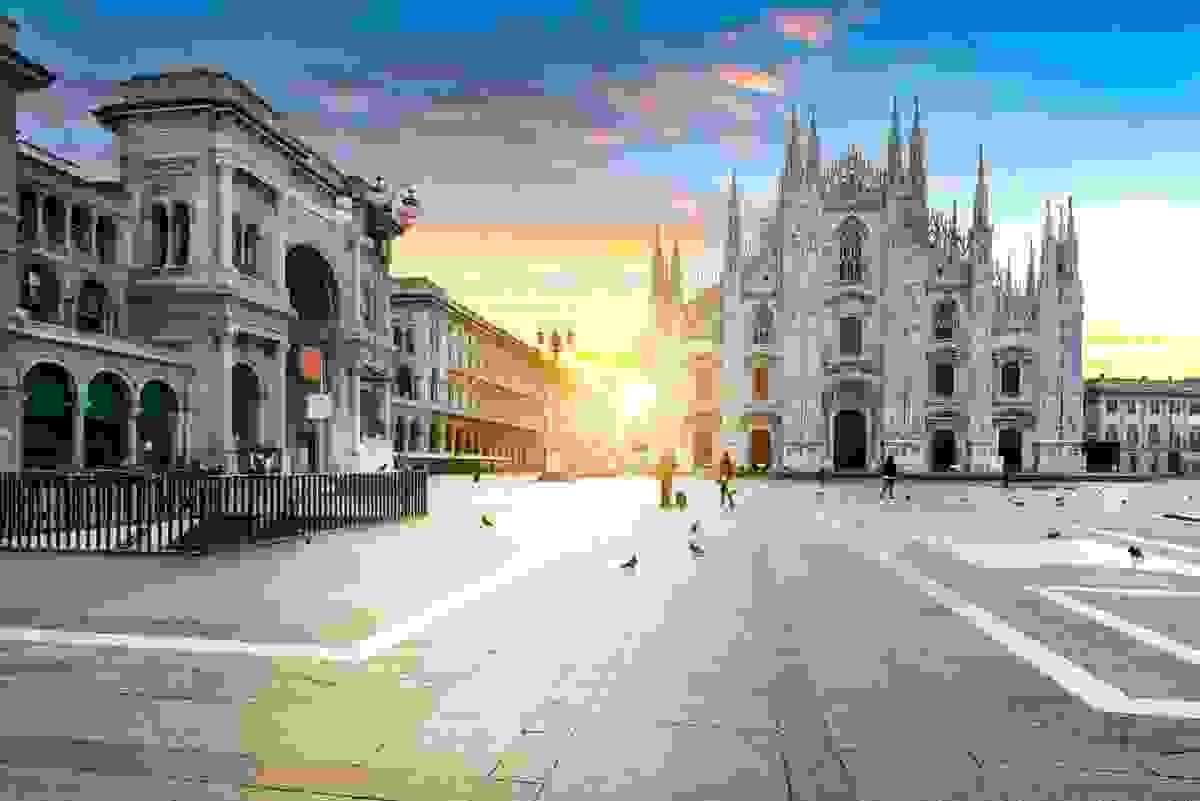
Khazar University (Neftchilar Campus) , Baku, Azerbaijan
April 30th, 2026
CISMA 2026 focuses on the transformative impact of corpora, big data, and technology in advancing discourse studies, language sciences, T & I and interdisciplinary research. The conference underscores the critical role of corpus linguistics, natural language processing (NLP), and big data analytics in addressing contemporary challenges and uncovering opportunities in the humanities and social sciences. The CISMA emphasizes the integration of computational methods, critical discourse analysis, and corpus-based approaches to enhance our understanding of language use, discourse practices, and societal dynamics. By bridging traditional methodologies with cutting-edge technologies, CISMA 2026 aims to redefine research paradigms and foster innovations across academic and professional domains.
We are delighted to announce that selected papers from the conference will be published in the peer-reviewed journal "Corpus-Based Studies Across Humanities" by De Gruyter. This prestigious journal champions the advancement of research at the intersection of corpora, language sciences, and the humanities. For more information, visit Corpus-Based Studies Across Humanities. We encourage authors to submit their full papers for consideration in our upcoming issue.
Join us at CISMA 2026 as we explore how technology, corpora, and big data are revolutionizing the study of language, discourse, and society.

Technology in Discourse Analysis
Applications of topic modeling, and AI-driven tools in critical discourse analysis.

Corpora and Language Sciences
Innovations in corpus linguistics for advancing language studies and pedagogy.

Digital Diplomacy and Global Discourse
Exploring the narratives and power structures in the digital age.

Corpora in Translation Studies
Enhancing translation practices through data-driven insights.

Interdisciplinary Approaches
The role of corpora in bridging humanities, social sciences, and computational research.

NLP and Sentiment Analysis
Cutting-edge NLP methods for analyzing sentiment and emotions

Opinion mining in social, political, and cultural discourse
Important Dates
1Abstract Submission
12:00 AM (UTC), March 30th, 2026
2Notifciation of Acceptance
April 10th, 2026
3Conference Date
April 30th, 2026
Keynote Speakers for CISMA 2026
We have invited a range of internationally renowned scholars and experts to share their insights and experiences in the field of corpus research.

Hamlet Isahanli
Hamlet Isakhanli is the founder of Khazar University, chairman of the Board of Directors and Trustees, co-founder of Dunya School, publisher, translator and editor. He is a scientist and public figure,
doctor of physical and mathematical sciences, professor, poet, writer and publicist, and an author of articles, books, textbooks and monographs on mathematics, humanities, and social sciences.
Kaibao Hu
Prof. Hu had more than 20 years of research experience in corpus-based translation studies, published 100 papers in journals indexed in CSSCI, SSCI, A & HCI, and 9 academic monographs in publishers such as Springer and China’s Higher Education Press. He is also investigators of over 13 projects on national level. In 2017 and 2020, I was admitted into the list of the most influential scholars in the research of philosophy and Social Sciences in China and the distinguished professor of the national major talent plan.

Muhammad Afzaal
Dr. Muhammad Afzaal joined the Institute of Corpus Studies and Applications at Shanghai International Studies University, China, as an Associate Professor after earning his PhD from Shanghai Jiao Tong University, China. He also brings extensive research experience as a fellow at the Hong Kong Polytechnic University, Hong Kong, and nine years of teaching experience at Foundation University Islamabad, Pakistan. Dr. Afzaal is the author of two notable books: Corpora and Discourses of the Belt and Road Initiative (2023, Springer Nature) and Language, Corpora, and Technology in Applied Linguistics. He has also significantly contributed to the field of corpus linguistics through the development of LexiConc, a corpus tool designed for generating concordances and lexical bundles, which has become a valuable resource for researchers. Dr. Afzaal has published extensively in SSCI, Scopus, and ESCI-indexed international journals.

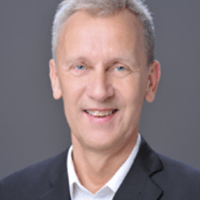
Göran Bertil Eriksson
Göran Eriksson is an internationally recognized scholar working in the field of discourse studies, specializing in multimodality and social semiotics. His current research is linked to the sociology of health and is concerned with multimodal representations of healthy food and healthy eating in different settings. Ongoing studies look at marketing and is especially interested in how science and scientific expertise is communicated. In another area of interest, he explores different kinds of mobile self-tracking apps, and how such apps form peoples’ notions of health and what constitutes a healthy lifestyle. He publishes extensively in international peer-review and SCCI-index journals. His latest book is Food Marketing and Selling Healthy Lifestyles with Science, (co-authored with Lauren A O’Hagan). Since, 2021 he is one of the associate editors of the SCCI-indexed journal Discourse, Context & Society.

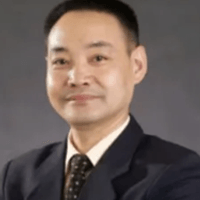
Lei Lei
Lei Lei is Professor of Applied Linguistics at Shanghai International Studies University. His research focuses on corpus- and NLP-based lexical and syntactic analyses of Modern and Classical Chinese and English. He is also interested in second language writing and digital humanities. He has authored five books, including a title with Cambridge University Press, and over 50 articles in international journals such as Applied Linguistics, Journal of Second Language Writing, Language Teaching, System, and Corpus Linguistics and Linguistics Theory. Dr. Lei has also published extensively in home journals in China, and led two China National Social Science Fund projects. He serves as an editorial board member for Journal of English for Academic Purposes and as an associate editor for Corpus-based Studies Across Humanities (De Gruyter).
©2026 - Copyright by CISMA Team